Respite Care in Assisted Living vs Memory Care: How Short-Term Elderly Care Differs
Business Name: Beehive Homes of Sandy
Address: 9532 S 700 E, Sandy, UT 84070
Phone: (801) 975-5244
Beehive Homes of Sandy
BeeHive Homes of Sandy provides personalized assisted living and memory care in a comfortable residential setting. Our compassionate caregivers deliver attentive daily support focused on dignity, independence, comfort, and quality of life.
9532 S 700 E, Sandy, UT 84070
Business Hours
Families generally think about respite care on the hardest days. A spouse reaches physical exhaustion from over night roaming. An adult child has surgical treatment scheduled or a company journey that can not be moved. A long-planned trip starts to feel impossible because Mom needs aid bathing and Dad can not be left alone with her.
That is when the search for short-term elderly care begins, and the very first confusing fork in the roadway appears: assisted living respite or memory care respite?
On paper, both offer a furnished house or room, meals, aid with daily tasks, and 24/7 staff. In real life, the experience can be completely various, especially for an older adult living with cognitive changes. Having actually strolled many households through this decision, I have actually seen how the best match can be a relief for everybody, and how the wrong one can produce preventable distress.
This guide unloads how respite care works in assisted living and in memory care, where they overlap, and where they truly diverge.

What respite care really means in senior care
Respite care in senior living is a short, scheduled remain in a certified community. It is usually arranged for a specified duration, such as a week or a month, with the option to extend if everyone agrees. The resident gets the very same standard services as long-term citizens, but without a long lease or commitment.
Families frequently utilize respite look after several reasons:
First, to offer a main caretaker time to rest, recover from disease, or participate in crucial life events.
Second, to try out a neighborhood before making a long-term move. A 30-day stay can address concerns that no tour or brochure will ever settle.
Third, to offer safe coverage after a hospitalization or rehabilitation stay, when going straight home is not safe however a nursing home level of care is not yet needed.
Within that umbrella, 2 main settings provide respite: assisted living and memory care. Both are part of senior care, however they are constructed around different assumptions about cognition, security, and day-to-day life.
Assisted living respite: who it fits and how it works
Assisted living is created for older grownups who need help with daily jobs however can still take part in their own decision making, move about with some independence, and benefit from a more open environment. The very same structure applies when somebody is there only for respite.
In useful terms, an assisted living respite stay typically appears like this:
A personal or semi-private apartment or condo, generally with a small sitting area and a bathroom. Citizens frequently bring a few individual items, such as pictures, a preferred blanket, and familiar toiletries, but the fundamental furnishings are already in place.
Three meals a day in a shared dining-room, plus snacks. Personnel encourage homeowners to come to meals at set times, but there is generally more flexibility and less structure than in memory care.
Help with activities of daily living such as bathing, dressing, grooming, medication pointers, and in some cases escorts to meals or activities for those who are new or unstable.
Access to a calendar of activities: workout classes, celebrations, games, music, spiritual services, and outings. Participation is urged instead of closely structured.
Respite residents are woven into the routine community routines. Personnel normally anticipate them to follow prompts, keep in mind fundamental security guidelines, and make easy choices, such as what to buy for lunch or whether to attend bingo or a concert.
This makes assisted living respite a strong suitable for older adults who:
- Have mild or no cognitive impairment.
- Can discover their method back to their room with minimal guidance.
- Do not wander unsafely or try to exit the building.
- Can recognize personnel as assistants and react to spoken cues.
- Manage behavior without frequent agitation, aggression, or serious anxiety.
Many residents with early-stage dementia or mild amnesia do effectively in assisted living respite settings if the environment is calm and the personnel are attentive. Issues tend to arise when cognitive concerns are more advanced than the household realizes.
One case that stays with me included a gentleman whose child insisted he was "just a little absent-minded." Within 3 days of admission to assisted living respite, he had actually two times attempted to follow visitors out the front door, set off an alarm by opening an emergency exit, and wandered into other locals' spaces. The setting was incorrect for his requirements. He did not stop working; the positioning did.
Memory care respite: built for cognitive change
Memory care communities, sometimes called specialized dementia care systems, are created from the ground up for people dealing with Alzheimer's illness and other dementias. The very same environment serves homeowners on respite stays.
Key attributes identify memory care respite from assisted living respite.
The building or system is secured. Exterior doors are monitored or locked. Outside spaces, if present, are enclosed courtyards or patios. The goal is not to imprison, however to allow safe freedom of movement within boundaries.
The day-to-day schedule is more structured. Programs are designed to support cognitive, physical, and emotional wellness: music treatment, sensory activities, small-group engagement, and quiet durations. The day has foreseeable rhythms, which can be calming for those with memory loss.
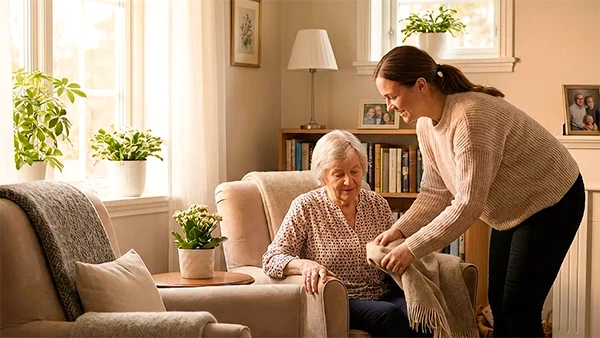
Staff are specially trained in dementia interaction and habits management. They know how to approach from the front, use brief concrete expressions, redirect instead of argue, and read subtle signs of distress before a habits escalates.
The physical environment is streamlined and cue-rich. Corridors may use color hints or clear signage, lighting is adapted to decrease shadows, furniture is set up to lower fall threats, and typical areas are easy to navigate.
That design makes memory care respite a better option for somebody who:
- Has moderate to innovative dementia.
- Wanders, ends up being lost, or has left home undetected in the past.
- Experiences sundowning, hallucinations, or delusions.
- Needs regular peace of mind, redirection, or supervision.
- Has habits that have been hard to handle at home, even with strong family support.
A family I worked with brought their mother for a 14-day memory care respite remain so they could go to a destination wedding event. In the house she had started searching in drawers at night, misinterpreting the restroom for the front door, and becoming fearful when left alone even for ten minutes. In memory care respite, she joined a small group for early morning baking activities, took part in afternoon music, and was guided through a calming bedtime regimen. Her daughter told me afterward, "This is the very first time in months I have slept through the night without listening for her steps."
Supervision, staffing, and security: what in fact changes
On staffing charts, both assisted living and memory care reveal 24/7 protection. The obvious resemblance can be misleading. The method staff are deployed and trained, and the level of supervision they provide, varies in essential ways.
In assisted living, personnel usually examine homeowners at set intervals and react to call bells or alarms. Numerous citizens can hang out in their spaces with very little oversight. Night staffing is leaner because many people are expected to sleep through the night.

In memory care, supervision is more intensive. Personnel display residents more continuously in common locations because wandering, repeated habits, and nighttime wakefulness prevail. The ratio of personnel to citizens is often greater, although precise numbers differ by state guidelines and company policy. More importantly, staff watch for subtle changes in habits that may signify medical problems, such as a urinary tract infection providing as unexpected aggressiveness or confusion.
Safety protocols vary as well. Assisted living respite may be suitable for someone who sometimes forgets a walker but reacts to tips. Memory care respite is developed for the individual who repeatedly stands without movement help, attempts to use hazardous furnishings for support, or attempts to cook, leave the structure, or drive.
For families, the key is to match the level of guidance to the level of risk. Hoping that an individual with substantial dementia will "rise to the event" in assisted living is not a realistic strategy. Dementia does not pause for respite.
Daily life: structure, flexibility, and sound level
Daily life feels different in assisted living versus memory care, even when the building is shared and the 2 programs are on different floors or wings.
Assisted living tends to offer more specific freedom. Residents can frequently come and go with household, pick which programs to attend, or invest long stretches of time in their houses. The social environment typically resembles a community of older grownups with a wide range of interests and way of lives. Some locals still drive, others enjoy card video games or lectures, and numerous have undamaged discussion skills.
For a respite resident who values independence and does not require much cueing, this can be stimulating. For someone with dementia, the exact same environment can be overwhelming. Background sound in a busy dining room or large group activity can worsen confusion. Open access to corridors and elevators can develop safety concerns.
Memory care is more included and predictable. Activities are normally smaller and tailored to cognitive abilities, with more one-to-one interaction. Routines are repeated, and staff often structure transitions more actively: assisting citizens from breakfast to group time, then motivating a rest or quiet period. The result can be a calmer, more repetitive day, which many people with memory loss discover reassuring.
However, memory care can feel limiting to an older adult with just moderate cognitive problems. A highly independent individual who is alert, oriented, and socially engaged may find locked doors, closer guidance, and streamlined activities frustrating or perhaps insulting.
Here the judgment call hinges on which matters more right now: preserving independence, or making sure security and comfort within cognitive limitations.
Emotional effect on the individual and the caregiver
Respite care is not just a logistical solution. It is an emotional event for both the older grownup and the caretaker who has actually likely been providing the majority of the hands-on care.
Older adults going to assisted living respite often worry about losing autonomy. "I do not wish to be put away" is a sentence much of us in elderly care have actually heard more than once. Those fears are real, even if the stay is only for 2 weeks. Assisted living communities that do respite well invest time in orientation: presenting key personnel, discussing the daily routine, and making sure the new resident understands how to call for help or request modifications. When the person is cognitively able, providing some option over meal seating, activities, or wake and sleep times can protect dignity.
In memory care respite, worry and confusion can appear in a different way. A person with dementia may not totally comprehend the concept of a short stay, however they feel the disturbance in regular and environments extremely acutely. This can trigger the first couple of days to be rocky: increased agitation, calls for household, rejection of care. Proficient memory care teams expect this and utilize familiar music, favorite foods, consistent staffing, and gentle peace of mind to help the individual settle.
For caregivers, the feelings are layered. Relief and guilt often exist side-by-side. I remember an other half who brought his other half into memory care respite before his own heart surgery. He informed me, "I know she will be much safer here than at home with next-door neighbors signing in, however I still seem like I am abandoning her." Weeks later, when she remained in memory care permanently after his recovery, he said the respite stay made that tough decision possible. He had actually seen her engage with personnel, participate in activities, and smile once again. The experience shifted his picture of what "a home" could be.
Understanding these emotional currents helps households strategy. A thoughtful technique consists of frank discussions about what the stay is for, practical peace of minds, and a prepare for routine calls or visits that do not undermine the neighborhood's efforts to build new routines.
Costs and insurance coverage: what to expect
From a financial viewpoint, respite care in both assisted living and memory care is mostly private pay in the United States. There are some exceptions, however households must not depend on Medicare covering the remain in a common senior living community.
Medicare does cover short-term respite in particular hospice or skilled nursing settings, however that is a separate benefit with specific eligibility rules. For everyday assisted living or memory care respite, the typical pattern is:
- A daily or monthly rate, typically a little greater daily than a long-term stay due to the fact that of the brief commitment and the need to keep furnished apartment or condos available.
- A minimum stay requirement, commonly between 7 and 30 days.
- Additional costs for higher levels of care, especially in memory care, such as two-person transfers, substantial behavior management, or diabetic care.
Memory care respite is frequently more pricey than assisted living respite since staffing and security needs are higher. The difference can vary from modest to significant, depending on region and provider.
Long-term care insurance in some cases compensates respite stays if the policy covers assisted living or memory care and the insured meets the benefit activates. Veterans with specific advantages might access restricted respite support, often through VA-approved centers or programs. Each circumstance is highly private, so households ought to contact insurers or VA case supervisors early in the preparation process.
From a useful angle, cost must be weighed against threat and tension. A a little less expensive respite stay that does not meet the person's needs can lead to injuries, behavioral crises, or hospitalizations that quickly remove any savings.
Key distinctions at a glance
To clarify the contrast, here is a simple comparison.
|Aspect|Assisted Living Respite|Memory Care Respite|| ------------------------------|---------------------------------------------------------------------|---------------------------------------------------------------------|| Primary focus|Physical assistance and social engagement|Safety, structure, and dementia-specific assistance|| Cognitive assumptions|Mild or no problems, able to follow cues|Moderate to serious impairment, needs frequent cueing and oversight|| Security|Usually open, may have delayed egress doors|Guaranteed unit or building, enclosed outside locations|| Daily structure|More flexible, resident-driven|More scheduled and recurring|| Staffing method|General senior care training|Dementia-specific training and behavior management|| Typical expense|Lower, with levels of care included as needed|Higher, reflecting staffing and security|| Best for|Elders valuing independence with manageable assistance needs|Elders with considerable memory loss, wandering, or behavior problems|
When assisted living respite suffices, and when it is not
Families frequently intend to keep a loved one in the "least restrictive" setting. That is a fair impulse. The art depends on defining "restrictive" not as a locked door, but as an environment that constantly annoys or threatens the person.
Assisted living respite can be an exceptional fit when an individual:
- Is cognitively able to comprehend where they are and why.
- Does not attempt to leave unsafely.
- Responds well to spoken pointer cues.
- Enjoys interacting socially and uses varied activities.
Warning signs that assisted living respite might be hazardous consist of:
Repeated elopement attempts or a history of getting lost, even briefly.
Aggressive or extremely upset habits, particularly around bathing or individual care.
Inability to discover or keep in mind standard safety cues, such as "Please utilize your walker when you get up."
Significant nighttime uneasyness, roaming, or sleep-wake turnaround that would strain limited night staffing.
In those cases, memory care respite is more protective for both the individual and the neighborhood as a whole.
How to choose: a practical family checklist
When households being in my office and ask, "Assisted living or memory take care of respite?", we stroll through a couple of core questions. The goal is not perfection, however a placement where the person is safe, reasonably calm, and treated with respect.
Here is a brief checklist to direct that conversation with your own family and with providers:
- What is the individual's present cognitive status? Request for a recent evaluation from a physician, neurologist, or geriatric specialist if the last one is more than a years of age or if you have actually seen quick modifications.
- What particular dangers stress you the most at home? Think about falls, wandering, medication mistakes, aggressiveness, self-neglect, or caregiver collapse. Call them clearly instead of speaking in generalities.
- How does the individual deal with change in regular or environment? Somebody who becomes highly distressed by small changes might gain from memory care's tighter structure and more intensive support for shifts.
- Have there been any "near misses"? Close calls around getting lost, leaving the stove on, or fights with neighbors or law enforcement signal that a secured and specialized environment might be essential.
- What is the genuine objective of this respite stay? If the primary objective is to evaluate a future long-term setting, match respite to where you think the individual will realistically need to be within the next 6 to 18 months, not simply where they can barely manage today.
Bring these answers to any tour or intake conversation. Strong communities, whether assisted living or memory care, will ask similar concerns. If a company seems eager to put your loved one without probing behavioral history or safety issues, that is a red flag.
Making the transition smoother, whichever alternative you choose
Once you select assisted living or memory care respite, preparing the shift well can make the stay more successful.
Start with familiar things. A favorite chair, quilt, or photos can soften the strangeness of a brand-new room. For individuals with dementia, avoid clutter, but utilize a few clear visual anchors, like household pictures labeled with names, to provide comfort.
Prepare a detailed care profile. Include not simply medical details, however daily regimens: typical wake times, chosen beverages, activates for anxiety, topics that dependably cheer the individual up, and methods that work at home. Staff who know that your mother constantly takes coffee senior care before talking, or that your father soothes quickly when you sing a specific tune, can react more personally.
Plan the handoff. If the individual is cognitively intact, include them at the same time, including touring, meeting staff, and choosing clothes to pack. For those with dementia, shorter descriptions repeated calmly might work better than overloading them with details days ahead of time. Typically, a simple "We are going to a place where individuals can assist while I rest my back" suffices.
Coordinate interaction. Decide beforehand how typically you will sign in, and with whom. Ask the community who will be your main contact and when they recommend calling for updates. For some caregivers, one daily update is assuring. Others do better with a set call every couple of days to avoid hyper-focusing on minor changes that are normal in a new setting.
If the first 48 to 72 hours are bumpy, resist the urge to pull your loved one out right away, unless security is clearly jeopardized. It typically takes several days for sleep patterns to settle and for the individual to get used to brand-new surroundings and deals with. Experienced staff will anticipate this and support both the resident and the household through that entry period.
The bigger picture: respite as a tool, not a failure
Respite care, whether in assisted living or memory care, is sometimes framed as an indication that a household "can not cope." That framing is both unreasonable and unsafe. Many modern look after individuals with dementia and complex age-related needs is unsustainable over the long term by a single spouse, daughter, or child without breaks.
Used wisely, respite is a preventive step. It secures caretakers from burnout and health crises, gives elders access to expert support and social contact, and can expose requirements that were undetectable at home.
Choosing in between assisted living and memory look after respite is less about prestige or stigma and more about a truthful look at the person's present abilities and threats. Not every elder with memory problems needs memory care, but those who do are much safer and frequently more content when their environment matches their reality.
Families who deal with respite as part of their overall elderly care strategy, instead of as a desperate emergency situation procedure, normally browse the journey with more flexibility and less remorse. Matching the ideal level of care to the best person at the right time is challenging, however it is one of the most loving acts a caregiver can offer.
Beehive Homes of Sandy provides assisted living care
Beehive Homes of Sandy provides memory care services
Beehive Homes of Sandy provides respite care services
Beehive Homes of Sandy supports assistance with bathing and grooming
Beehive Homes of Sandy offers private bedrooms with private bathrooms
Beehive Homes of Sandy provides medication monitoring and documentation
Beehive Homes of Sandy serves dietitian-approved meals
Beehive Homes of Sandy provides housekeeping services
Beehive Homes of Sandy provides laundry services
Beehive Homes of Sandy offers community dining and social engagement activities
Beehive Homes of Sandy features life enrichment activities
Beehive Homes of Sandy supports personal care assistance during meals and daily routines
Beehive Homes of Sandy promotes frequent physical and mental exercise opportunities
Beehive Homes of Sandy provides a home-like residential environment
Beehive Homes of Sandy creates customized care plans as residents’ needs change
Beehive Homes of Sandy assesses individual resident care needs
Beehive Homes of Sandy accepts private pay and long-term care insurance
Beehive Homes of Sandy assists qualified veterans with Aid and Attendance benefits
Beehive Homes of Sandy encourages meaningful resident-to-staff relationships
Beehive Homes of Sandy delivers compassionate, attentive senior care focused on dignity and comfort
Beehive Homes of Sandy has a phone number of (801) 975-5244
Beehive Homes of Sandy has an address of 9532 S 700 E, Sandy, UT 84070
Beehive Homes of Sandy has a website https://beehivehomes.com/locations/sandy/
Beehive Homes of Sandy has Google Maps listing https://maps.app.goo.gl/gxoX9vT5PFH9mJTP9
Beehive Homes of Sandy won Top Assisted Living Homes 2025
Beehive Homes of Sandy earned Best Customer Service Award 2024
People Also Ask about Beehive Homes of Sandy
What does assisted living cost at BeeHive Homes of Sandy?
BeeHive Homes of Sandy offers all-inclusive assisted living pricing. That means one straightforward monthly rate covering personal care, home-cooked meals, housekeeping, laundry, and daily support, with no hidden costs or surprise fees. Because we offer seasonal pricing and current availability can change, we invite families to call for up-to-date rates and any current offers. Before move-in, our team completes a personalized assessment of health, mobility, medication, and activities-of-daily-living needs, so we can confirm the right care plan and share clear pricing for your family.
Can residents remain at BeeHive Homes as their care needs change?
Yes. In almost all cases, residents can remain at BeeHive Homes of Sandy as their care needs change, aging in place in a familiar, homelike environment. Because we coordinate with third-party home health and hospice providers, residents can receive added care right in the home rather than relocating. It is very rare for a resident to need to move, and that typically happens only when someone requires continuous skilled nursing or hospital-level care beyond what an assisted living or memory care home can safely provide.
Is a nurse available at BeeHive Homes of Sandy?
Yes. BeeHive Homes of Sandy has a nurse who provides day-to-day oversight of residents and works directly with each resident's own physicians and healthcare providers to continue the best possible care. Residents may keep seeing their preferred doctors, and when ordered by a medical provider, home health, therapy, or hospice services can often be delivered directly in the home. Caregiver support is available 24 hours a day.
What are the visiting hours at BeeHive Homes of Sandy?
Visit anytime. At BeeHive Homes of Sandy, we would rather family come too often than not often enough, because strong family relationships are an important part of every resident's well-being. We simply ask that visits be respectful of the other residents who live here, along with each resident's meals, rest, and care schedule. If you would like to come very early or very late, just let us know in advance and we will make it work.
Are rooms available for couples at BeeHive Homes of Sandy?
BeeHive Homes of Sandy may have room options for couples who wish to remain together while receiving senior care. Availability depends on current openings, room size, and the care needs of both individuals. Please contact our team to discuss available accommodations and find the best fit for your family.
What services are provided at BeeHive Homes of Sandy?
BeeHive Homes of Sandy provides personalized assistance with bathing, dressing, grooming, mobility, medication management, meals, housekeeping, laundry, and other activities of daily living. Residents also enjoy private rooms, home-cooked meals, engaging senior activities, and caregiver support available 24 hours a day, all in a smaller, residential-style setting that feels like home.
Does BeeHive Homes of Sandy offer memory care and respite care?
Yes. BeeHive Homes of Sandy offers both memory care and assisted living. Our memory care supports residents living with Alzheimer's disease, dementia, or other cognitive changes. Short-term respite care is also available for recovery periods, caregiver relief, or families who want to experience BeeHive Homes before considering a long-term move. Availability and suitability are determined through an individual assessment.
How can I schedule a tour of BeeHive Homes of Sandy?
Call (801) 975-5244 to schedule a tour of BeeHive Homes of Sandy anytime. A personal visit is often the best way to experience our calm, homelike atmosphere, meet our caregivers, see the private rooms and shared spaces, and ask questions about assisted living, memory care, or respite care in Sandy, Utah. We would love to help you decide whether BeeHive Homes is the right next step for someone you love.
Where is Beehive Homes of Sandy located?
Beehive Homes of Sandy is conveniently located at 9532 S 700 E, Sandy, UT 84070. You can easily find directions on Google Maps or call at (801) 975-5244 Monday through Sunday Open 24 hours
How can I contact Beehive Homes of Sandy?
You can contact Beehive Homes of Sandy by phone at: (801) 975-5244, visit their website at https://beehivehomes.com/locations/sandy/
The Sandy Museum offers an enjoyable local history experience for families supporting loved ones through Assisted living, memory care, senior care, elderly care, and respite care..